


- Sri Lanka’s diverse landscapes, ranging from mountains to oceans, offer a wealth of adventure activities.
- Popular beach sports include scuba diving amidst coral gardens and ancient wrecks, making it a top global destination for diving.
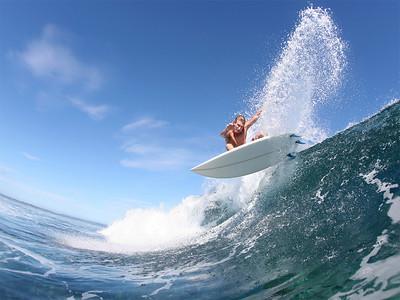
- Surfing has also gained popularity along the Southern and Eastern coasts over the past 25 years.
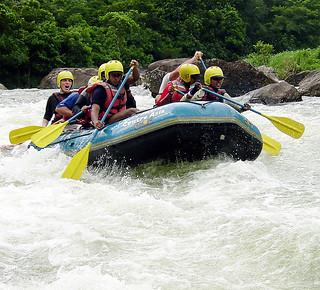
- The island’s seas are renowned for challenging marine game fishing, while newer activities like surfing, diving, white water rafting, kayaking, and canoeing attract enthusiasts. Inland, a network of scenic roads invites hikers and trekkers to explore lush forests, rice fields, and picturesque villages.
- Adventurers can also tackle exhilarating climbs, such as scaling Bambarakanda waterfall, Sri Lanka’s highest.
- Surfing

- Water Rafting

- Diving


- Trekking and Hiking

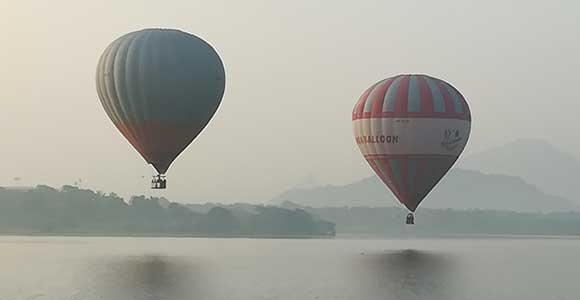
- Hot Air Ballooning

- Sri Lanka is a significant destination for wellness tourism, offering two main subsets:
-
- Holistic tourism is based on alternative and complementary health and healing treatments and therapies aimed at balancing the body, mind, and spirit.
- Spiritual tourism focuses on the search for higher meaning and transcendence and the connection to oneself and the universe. This can involve visits to spiritual sites, landscapes, or retreats, as well as activities like yoga and meditation.
- Sri Lanka has many wellness tourism retreats located all around the country. Many hotels and resorts also offer spa facilities, yoga, and meditation centres, and Ayurvedic treatment facilities.
- Ayuvedic therapy and massage


- Yoga and meditation

- Sri Lanka’s rich history spans over 3000 years and includes ancient cities like Anuradhapura, Polonnaruwa, and Digamadulla, once thriving centres of culture with impressive stone architecture, temples, and irrigation systems.
- Anuradhapura, the longest-serving capital and a sacred Buddhist city, flourished from the 4th century BC to the 11th century AD.
- Sigiriya, a 5th-century fortress with advanced landscaping and ancient murals, stands as a testament to ancient engineering and artistry.
- Polonnaruwa boasts superior irrigation systems still in use today, while Kandy, the last kingdom, reflects resilience with its preserved palaces and temples despite Portuguese invasions.
- Anuradhapura – Thuparamaya Stupa

- Anuradhapura- Ruwanwelisaya Stupa

- Anuradhapura- Akuna Statue

- Polonnaruwa – Uththararamaya (Gal Vihara)

- Polonnaruwa – Lankatilaka Temple

- Kandy – Sri Dalada Maligawa /the Temple of the Sacred Tooth Relic

- Medirigiriya Vatadageya in Polonnaruwa


- The Golden Temple of Dambulla.


- Sigiriya


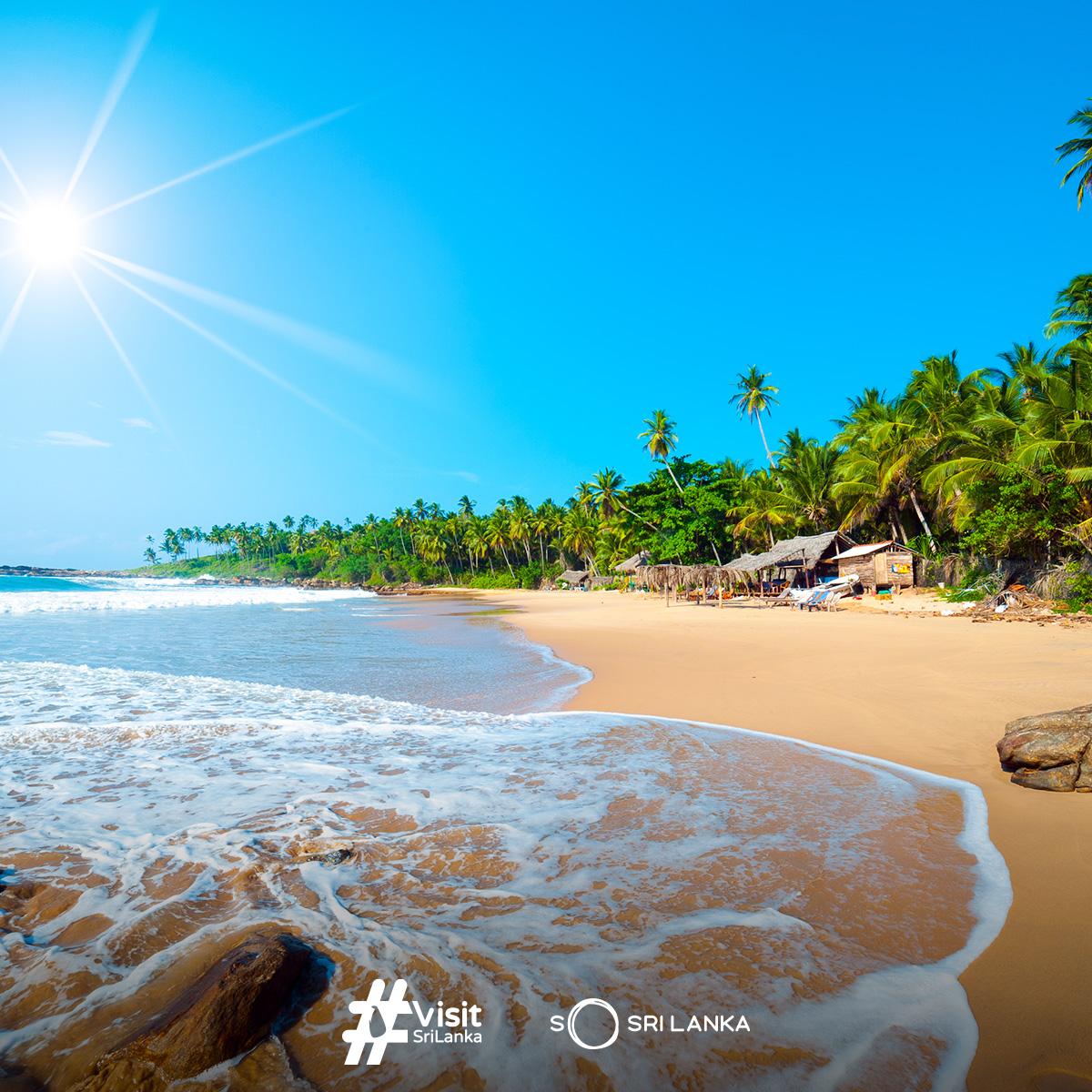
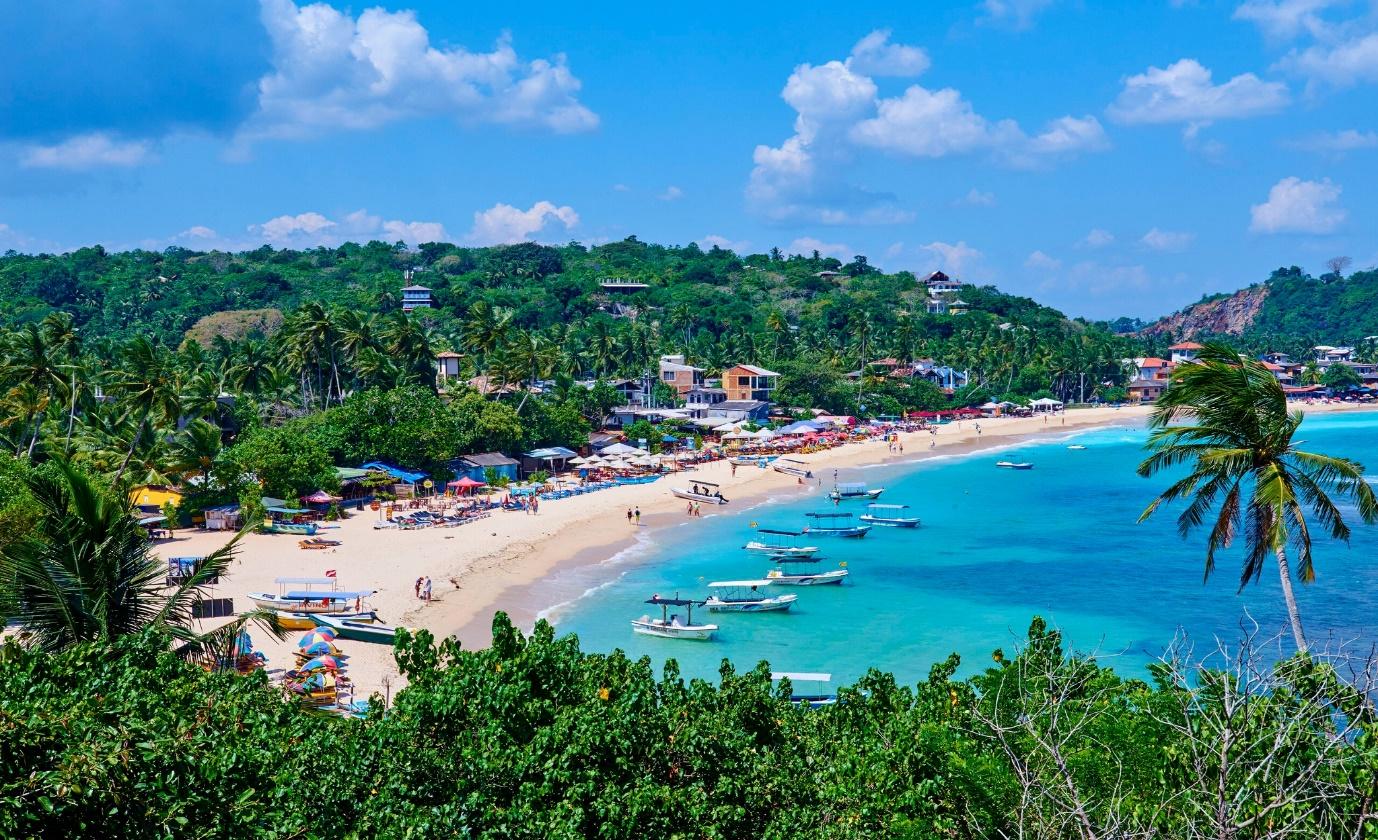
- Sri Lanka is well known for its sandy beaches. The scenic view of the sandy shores and beaches is the perfect place to relax.
- If you are a beach lover and are searching for a sense of true joy and peace while relaxing on a beach, then you should add Sri Lanka to your list. Soak in the sun while sipping a refreshing cocktail on the best beaches in Sri Lanka on your next trip.
- Top Sri Lankan beaches
| Arugam Bay – For Surfing, Yoga, and Fishing | Negombo – For Peace and Relaxation |
| Bentota – For Water Sports and Boat Safaris along the river | Nilaveli – For a Fine Stretch of Sand |
| Beruwala Beach – The Golden Beach | Pasakudah and Kalkudah – For White Sandy Beaches, jet-skiing, and boat rides |
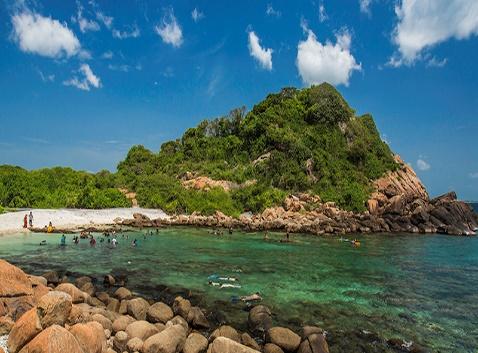
| Casuarina Beach – An Unexplored Beach | Pigeon Island – For the Best Coral Reefs and Scuba Diving |
| Dickwella – For Lush Sandy Beaches | Pottuvil – For a Quiet Beach Time |
| Galle – For Colonial Architecture | Rekawa – For Sea Turtles |
| Hikkaduwa – For Snorkelling, Surfing, and Swimming | Trincomalee – For Stunning Temples |
| Induruwa – For Scenic Beaches and Villages | Tangalle – For Sandy Beaches and Turquoise Waters |
| Kahandamodara Beach – A Coconut Fringed Beach | Talalla South – For Swimming in Clear Waters |
| Kalpitiya – For Dolphin Watching | Unawatuna – For Tranquil Blue Waters |
| Koggala – For Turtle Hatchery, Lake, and Folk Art Museum | Weligama and Midigama– For beautiful beaches and excellent surf |
| Mirissa – For Whale Watching | Wijaya – For a Stretch of White Sand |




- Sri Lanka is renowned for its exceptional biodiversity, despite its small size.
- It boasts one of the highest rates of biological endemism globally, with unique species in both plants and animals.
- The country is among the top five biodiversity hotspots, featuring rare mammals like Asian elephants, sloth bears, and leopards, as well as endemic species such as the red slender loris and purple-faced langur. Sri Lanka’s Ocean is home to diverse cetaceans, including blue whales and dolphins, with 26 species in total.
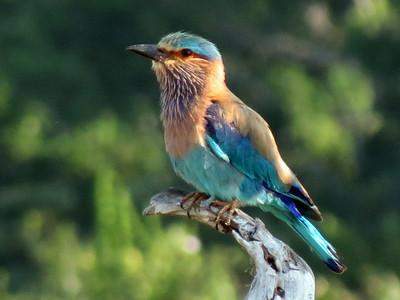
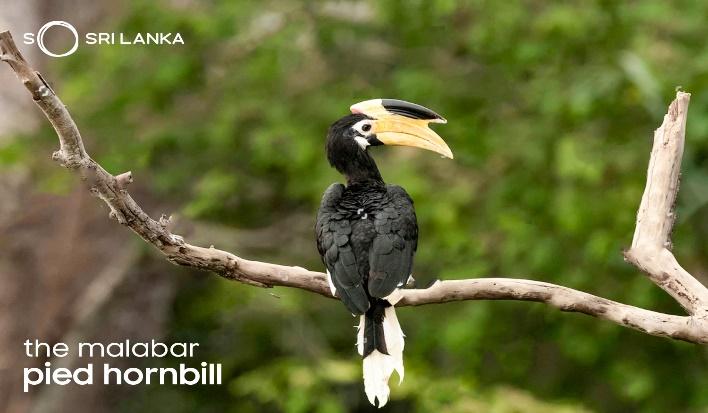
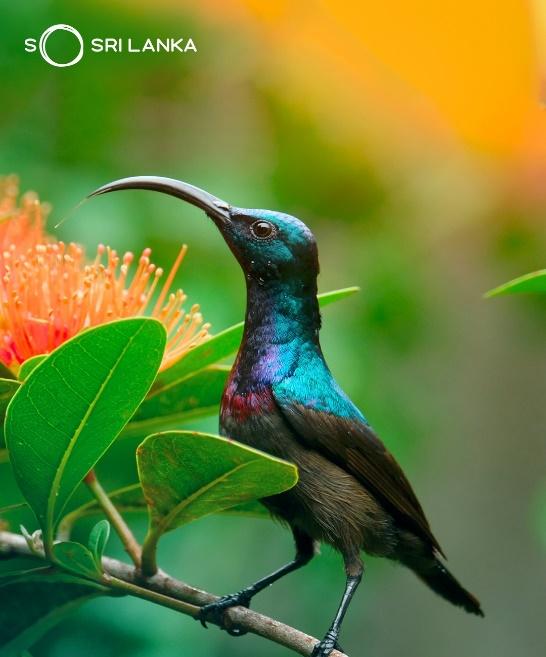
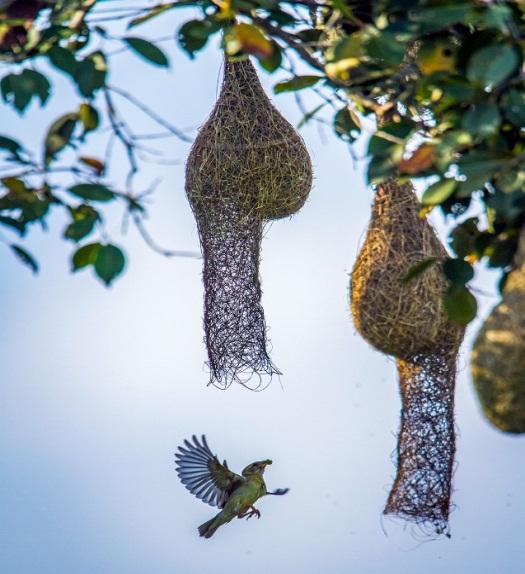
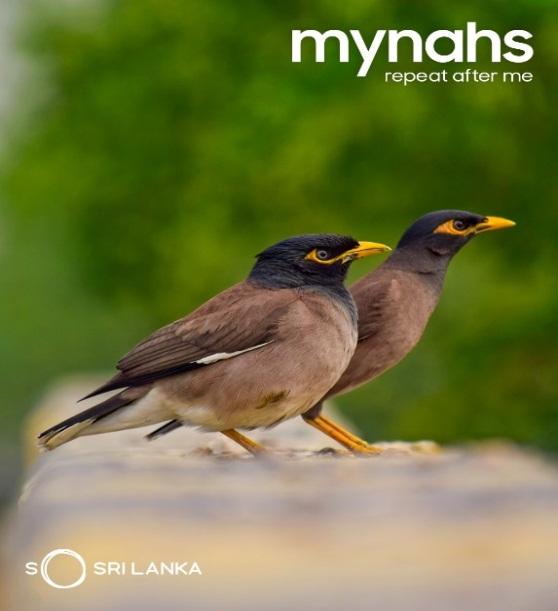
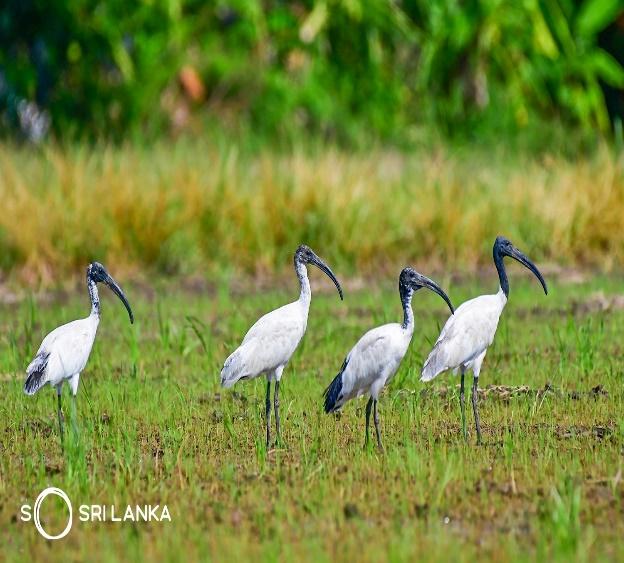
- It also hosts a rich birdlife, with 20 endemic species and numerous distinct races. Additionally, the country has a significant diversity of amphibians, particularly in the Sinharaja rainforest. Animal lovers and bird watchers will have a great time on this beautiful island.



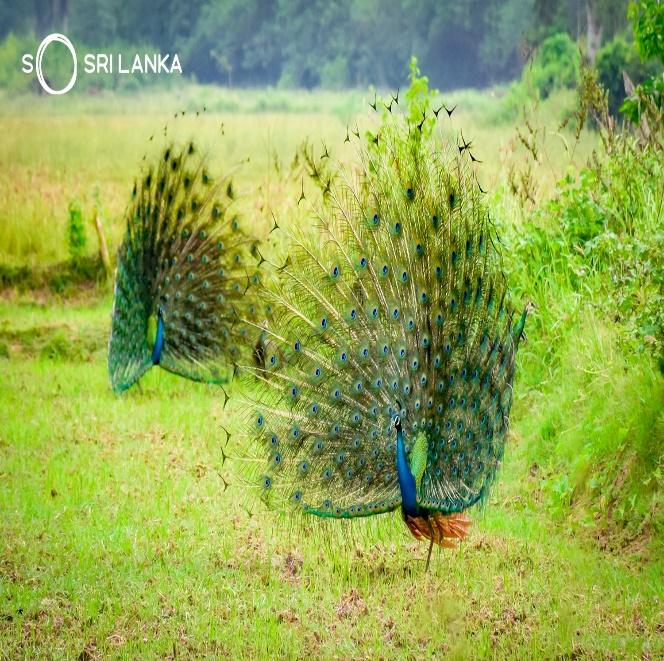
Sri Lanka boasts a diverse and rich cultural heritage that is integral to its national identity. With customs and rituals dating back over 2000 years, influenced by Buddhism, Hinduism, Islam, and Christianity, the country celebrates a wide array of festivals and ceremonies. Religion plays a significant role in shaping Sri Lankan traditions, and fostering harmony among in its multicultural society. Hospitality is another hallmark of Sri Lankan culture, contributing to its reputation as one of the friendliest nations globally.
- Food and drink
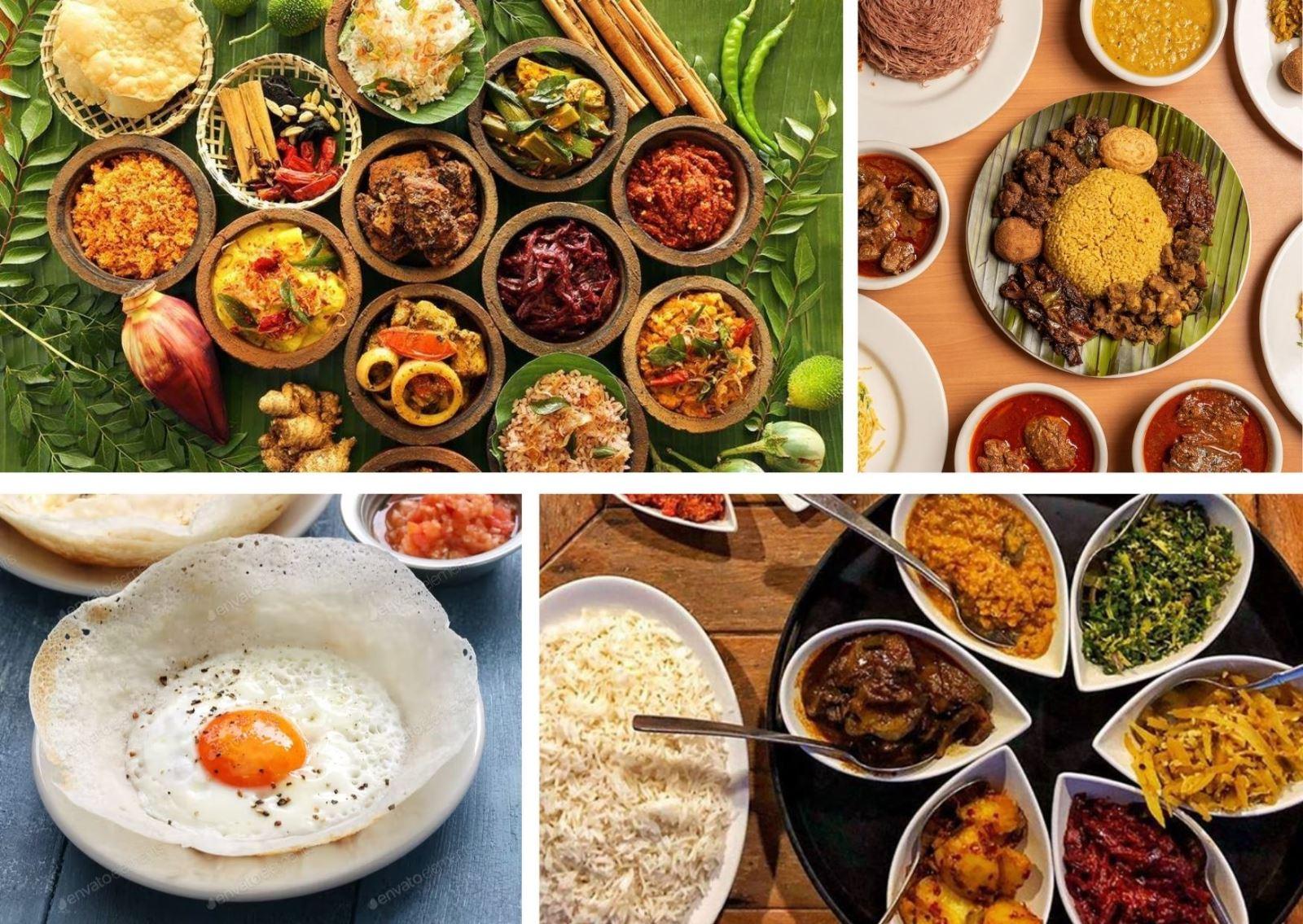
- Sri Lankan cuisine is known for its particular combinations of herbs, spices, fish, vegetables, rice, and fruits.
- The cuisine is highly centred on many varieties of rice as well as coconut, which is a ubiquitous plant throughout the country.
- Seafood also plays a significant role in the cuisine, with options ranging from fresh fish to frozen varieties.
- Tea is also an important beverage throughout the country. Ceylon tea has been described as not only a geographical indication but also a pillar of Sri Lankan culture, heritage, and identity.
- As a country that was a hub on the historic oceanic Silk Road, contact with foreign traders brought new food items and cultural influences in addition to the local traditions of the country’s ethnic groups, all of which have helped shape Sri Lankan cuisine.
- Main food


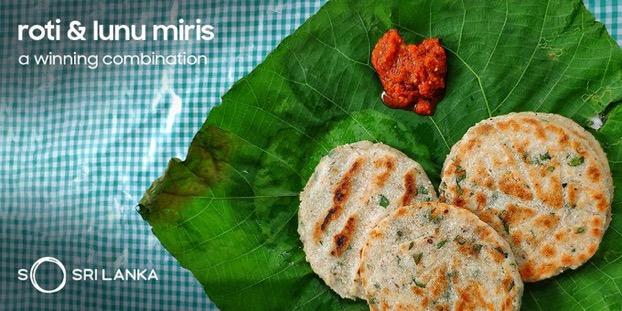
- Street Food and Pickles /Snacks

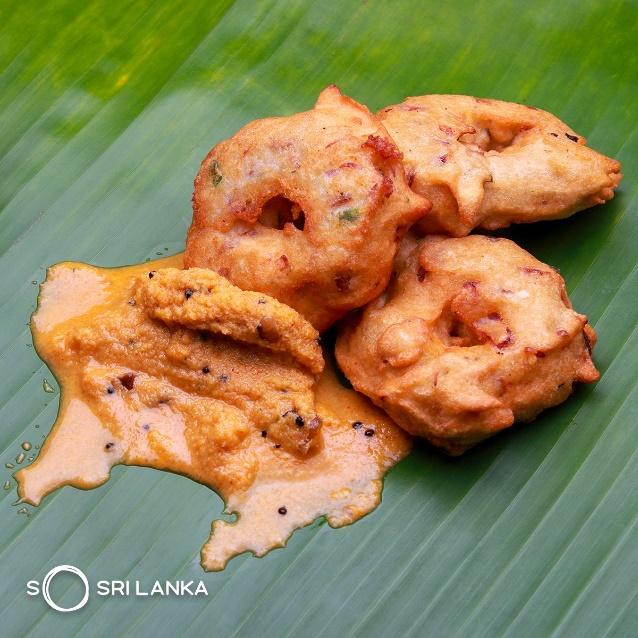


- Sweets/Deserts


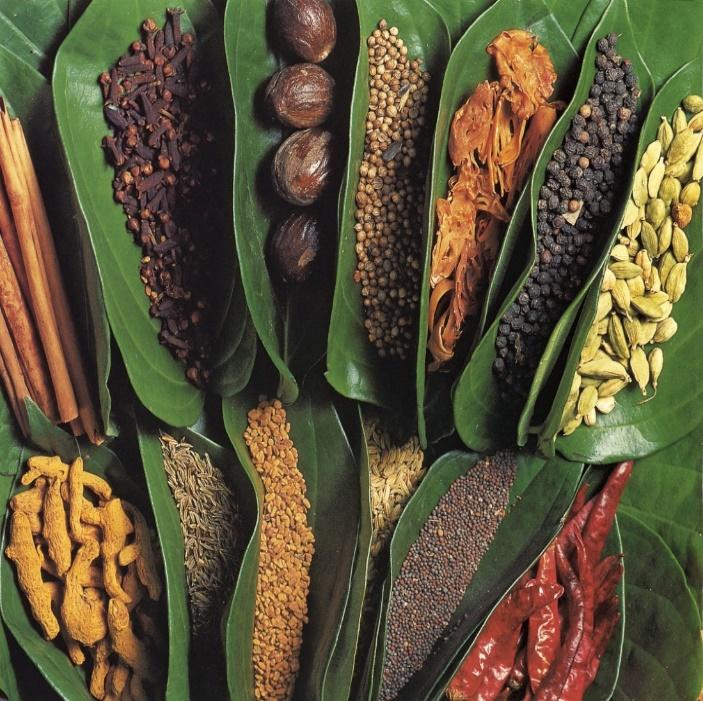
- Spices

- Fruits
- Sri Lanka has many tropical fruit varieties all over the island, from the coastal belt lining the country to higher elevations in the hill country.
- The variety of fruits grown in each region varies significantly, depending on the climate and soil conditions required for each fruit variety.
- The major fruit varieties grown in Sri Lanka are mango, papaya, pineapple, avocado, banana, watermelon, rambutan, mangosteen, wood apple, guava, pomegranate, and jackfruit.


- Festivals
- With a population composed of many races and religions, Sri Lanka is never short of festivals and celebrations.
- Every month brings a celebration of either religious or cultural importance, making Sri Lanka one of the countries with the highest number of celebrations and holidays.
- The Sinhala-Tamil New Year festival in April is the most important cultural festival in the country.
- Vesak is the most important religious celebration in Sri Lanka, where Buddhists celebrate the nativity, enlightenment, and passing away of Lord Buddha with many celebrations.
- In August, there are the Esala festivals in Kandy and Kataragama.
- The Kandy Esala Perahera is the largest cultural parade in the world, showcasing the best of Sri Lankan dancing and music, as well as featuring domesticated tuskers from the country.
- The Sinhala-Tamil New Year festival


Vesak


- The Kandy Esala Perahera


- The People of Sri Lanka and the traditional dress
- Sri Lanka is a multi-ethnic, multi-religious, and multi-cultural society.
- The Sinhalese are the largest ethnic group in Sri Lanka.
- The second largest ethnic group is Tamils, followed by Muslims. Then there are Muslims, Malays, and Burghers.


